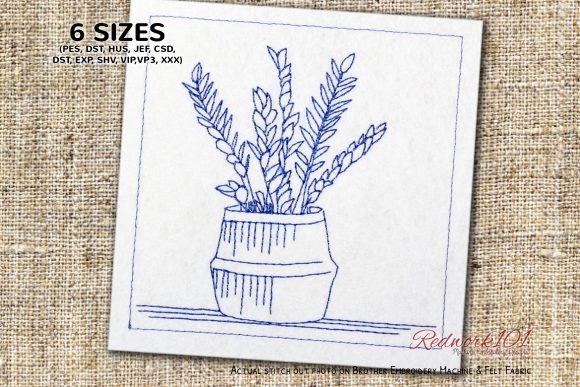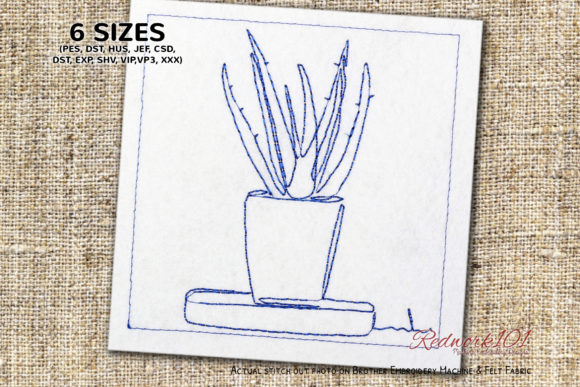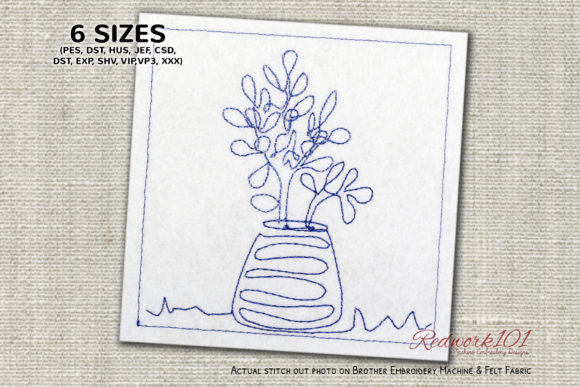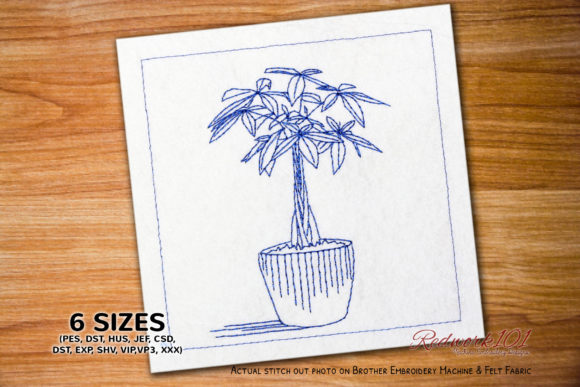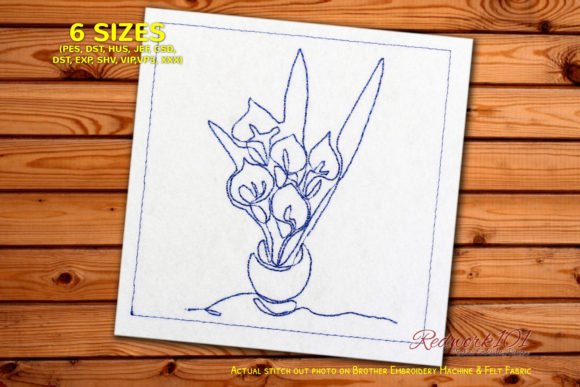
Bouquet of Calla Lilies Redwork
First Impression: Elegant, Timeless, and Quietly Bold
As an embroidery designer who’s prepped over 200 craft fair booths—from Portland maker markets to Nashville holiday bazaars—I immediately recognize Bouquet of Calla Lilies Redwork as a design that leans into quiet sophistication. It’s not loud or trendy; it’s elegant, clean-lined, and inherently botanical. The redwork technique signals heritage craftsmanship—think vintage samplers meets modern minimalism—making it ideal for customers who value handmade quality over flash. It reads as premium but approachable: farmhouse-adjacent without being rustic, formal without feeling stiff. That balance is gold at craft fairs, where shoppers scan dozens of tables in under 90 seconds.
Where It Shines: Product-by-Product Reality Check
Tote bags: A standout. Centered on a natural canvas or oat linen tote, Bouquet of Calla Lilies Redwork becomes an instant signature piece—refined enough for boutique buyers, soft enough for everyday use. Avoid placing it too low; mid-panel placement ensures visibility when the bag is slung over a shoulder.
Aprons: Perfect for chef-inspired or floral-themed kitchen lines. Position it just above the pocket or centered on the bib—its vertical flow mirrors apron structure beautifully. Pair with subtle red thread on cream cotton for maximum contrast and clarity.
Tea towels: Strong performer, especially on tightly woven, smooth-textured linens. Beware dense stitch areas near lily stems—they can stiffen fabric if overstabilized. Use lightweight cutaway stabilizer and test first on scrap towel fabric.
Embroidered patches: Highly viable. The clean outlines and moderate detail scale well down to 3–4 inches. Skip the optional box stitch unless you’re aiming for a framed collector’s look—it adds visual weight but increases stitch count and potential fraying risk on raw-edged patches.
Caps and curved surfaces: Proceed with caution. The bouquet’s linear composition doesn’t wrap naturally around crown curvature. Best reserved for flat-front panels (e.g., trucker cap fronts) or skipped entirely for high-volume cap runs.
Pillows and pouches: Excellent focal point on 12"–16" square pillow covers or drawstring fabric pouches. Its vertical rhythm draws the eye upward—ideal for shelf displays where products sit stacked or upright.
Digital sellers & Etsy listings: This design photographs exceptionally well. Its contrast-rich redwork style renders clearly even in natural light phone shots. Pair with a printable mockup showing it on three product types (tote, tea towel, patch) to boost conversion—buyers instantly grasp versatility.
Production Practicality: What Makes It Craft-Fair Ready
Bouquet of Calla Lilies Redwork is refreshingly intuitive. No tiny lettering, no micro-details that vanish at 2.5", no nested elements requiring multi-hooping. It works cleanly as both a small accent (1.75" wide on a lapel pin backing) and a large focal (5.5" tall on a market bag). Stitch density appears moderate—not so sparse it feels unfinished, not so heavy it gums up lightweight fabrics. That makes it batch-friendly: consistent hooping, reliable thread tension, and easy color changes (typically 1–2 red tones plus background white or ecru).
That said—always test. Run a sample on your exact fabric: same weight, same weave, same dye lot. Redwork relies on thread contrast, so dark fabric demands brighter reds or off-whites—not just “red” and “white.” And remember: the outer box stitch is optional. Unless it’s integral to your brand aesthetic (e.g., a vintage frame motif), skip it. It adds time, cost, and potential visual clutter without enhancing recognition.
Booth Impact & Buyer Psychology
In a sea of florals, calla lilies stand apart—not overly sweet like roses, not wild like daisies. They signal intentionality. At a craft fair, that translates to higher perceived value. Customers pause longer. They ask, “Is that hand-drawn?” or “Do you do custom colors?” That’s engagement—and engagement leads to sales, email sign-ups, and repeat visits.
Visually, Bouquet of Calla Lilies Redwork strengthens booth cohesion. Use it across three product types in the same thread palette (e.g., red-on-cream tote, matching tea towel, and coordinating patch) and your display reads as curated—not scattered. For handmade shops and boutiques, it supports brand consistency without locking you into a single theme. It’s flexible enough for spring markets, bridal showers, or year-round gifting.
Designer Notes You Can’t Skip
- Test on scrap fabric first—especially textured towels or thick denim. Redwork outlines can blur on napped surfaces.
- Confirm thread contrast before stitching 50 units. Light fabric? Try burgundy instead of cherry red for richer depth.
- Review spacing between lilies. Tight clusters may need slight digitizing tweaks to avoid thread nesting.
- Check hoop size compatibility. Does it fit your most-used hoop without repositioning? If not, adjust layout early.
- Stabilizer matters. Lightweight cutaway for stable wovens; tear-away for smooth linens; avoid heavy fusibles that mute redwork’s crispness.
- Create one real mockup—not digital, not printed, but stitched, pressed, and photographed in natural light. That’s your truest preview of customer reaction.
- Compare fabric colors side-by-side. Cream vs. oat vs. natural linen changes how red reads—dramatically.
- Verify commercial licensing before selling finished products. As a Single Flowers embroidery file, its usage rights must explicitly cover resale of physical goods—not just personal use.
Final Thought: A Quiet Workhorse Design
Bouquet of Calla Lilies Redwork isn’t the flashiest embroidery file in your library—but it’s likely the most reliable. It sells because it feels intentional, looks handmade without looking labored, and translates seamlessly from digital embroidery file to beloved craft fair product. For Etsy sellers building a cohesive shop, small shop owners curating gift-ready items, or embroidery business owners scaling production, this is the kind of design that earns repeat orders, earns referrals, and earns shelf space—not just at markets, but in homes.