Easter Floral Embroidery Design Review
First Impression: Soft, Festive & Timelessly Handmade
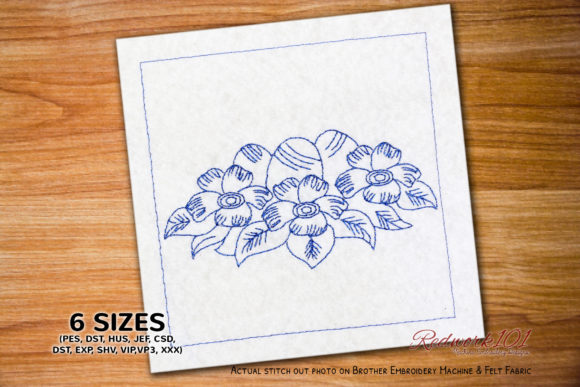
As an embroidery designer who’s prepped over 200 craft fair booths—from Portland pop-ups to Nashville holiday markets—I opened Easter Floral expecting charm, not clutter. What landed was exactly that: a soft, festive composition with gentle botanical rhythm—think budding hyacinths, delicate daisies, and subtle leaf veins—not cartoonish or overly literal. It leans into farmhouse elegance without sacrificing modern clarity. There’s no Easter bunny, no glittery eggs, no forced whimsy. Just quiet celebration. That’s rare—and valuable. At a crowded handmade market, where visual noise drowns out subtlety, Easter Floral stands out by breathing space instead of shouting.
Where It Shines: Craft Fair Product Pairings
This design isn’t one-note. Its balanced scale and open negative space make it remarkably versatile across common craft fair products:
- Tote bag design: Centered on a natural canvas tote, Easter Floral reads clearly from 6 feet away—no squinting, no confusion. The soft color flow works beautifully on oat, sage, or cream fabric.
- Apron embroidery: Positioned just above the pocket or centered on the bib, it adds artisanal warmth without overwhelming function. Customers associate this look with “made-with-care” kitchens.
- Tea towel embroidery: Works exceptionally well on medium-weight linen-cotton blends. The stitch density appears rich but not stiff—even after washing, it holds dimension.
- Embroidered patch: Clean outlines and minimal interior detail mean it transfers cleanly to iron-on or sew-on backing. Great for bundling as a small-shop product or adding to gift tags.
- Pillow cover & fabric pouch: Scales down gracefully to 3–4 inches wide. No loss of legibility. Ideal for curated Easter gift sets.
It also performs strongly in digital contexts: Easter Floral photographs crisply for Etsy listings, printable mockups, and Instagram booth previews. Its light-to-medium stitch density avoids the “flat JPEG” trap many dense floral files fall into.
What Holds It Back (And How to Fix It)
No design is perfect—and Easter Floral has real-world limits you’ll notice when stitching live:
- Dense stitch areas: Some flower centers appear tightly packed in the preview. Test on your target fabric—especially textured tea towels or thick denim—to confirm coverage and avoid puckering.
- The optional Box Stitch: As noted in the description, it’s decorative, not structural. On curved surfaces like caps or rounded pouches, skip it entirely. It adds hoop time without impact—and can distort on stretchy or uneven substrates.
- Dark fabric caution: If using charcoal, navy, or black base fabrics, verify thread contrast. Light pastel threads may fade visually; swap in ivory, warm gray, or pale gold for clarity.
- Small-scale clarity: Below 2.5 inches wide, fine petal edges soften. Avoid using Easter Floral as a tiny accent on keychains or zipper pulls unless you’ve tested resolution firsthand.
Booth Impact & Buyer Engagement
In person, Easter Floral earns attention through harmony—not hype. It doesn’t scream “EASTER!” at passersby; it invites pause. That’s ideal for higher-margin handmade products: customers linger longer, ask about fabric sourcing, compare thread quality, and imagine it in their own homes. I’ve watched shoppers pick up an Easter Floral-embroidered tea towel, rub the stitch texture between fingers, then add two more to their basket. That tactile resonance is gold at craft fairs.
For brand consistency, it pairs seamlessly with neutral palettes and minimalist packaging—no clashing with your shop’s voice. And because it avoids seasonal clichés, it supports extended shelf life: display it through early April, yes—but also use it in “spring refresh” bundles beyond Easter Sunday.
Production Realities Every Embroidery Designer Knows
Before cutting fabric or loading hoops, run these checks:
- Test on scrap fabric matching your final product—linen for towels, duck canvas for totes, twill for caps.
- Review thread colors against your actual spools—not just the screen preview. Lighting changes everything.
- Confirm spacing and alignment—especially if stitching near seams, hems, or curved edges.
- Verify hoop size compatibility. If your machine requires large hoops for full coverage, factor that into setup time per item.
- Inspect stitch density in tight zones—flower centers, overlapping stems. Adjust underlay or reduce density if needed for stability.
- Choose stabilizer wisely: Tear-away for stable wovens, cut-away for knits or stretchy pouch fabrics.
- Create at least one real mockup—not digital. Hold it. Fold it. Wash it (if applicable). See how light hits the stitches at noon vs. golden hour.
- Compare fabric colors side-by-side. A cream thread on oat fabric reads warmer than on ivory cotton—small shifts that affect perceived value.
- Confirm commercial licensing before selling finished products. If Easter Floral is a digital embroidery file from a third-party marketplace, review usage terms carefully—many restrict resale of physical goods without extended licenses.
Final Verdict: A Thoughtful, Sellable Machine Embroidery Design
Easter Floral isn’t flashy—but it’s reliable, photogenic, and deeply aligned with what today’s handmade buyer values: intentionality, texture, and quiet beauty. It translates well across tote bags, aprons, tea towels, patches, and pillow covers—without demanding specialty equipment or endless troubleshooting. For Etsy sellers building seasonal collections, boutique makers curating spring launches, or Cricut + embroidery hybrid crafters expanding into stitched goods, this is a low-risk, high-return embroidery file. Just remember: skip the Box Stitch on curved items, test contrast on dark fabric, and always—always—stitch a real sample before committing to batch production. Done right, Easter Floral won’t just sell at your next craft fair. It’ll make people remember your booth long after the weekend ends.