Flowers and Butterflies Lineart
A Delicate Yet Distinctive Embroidery Statement for Boutique Apparel
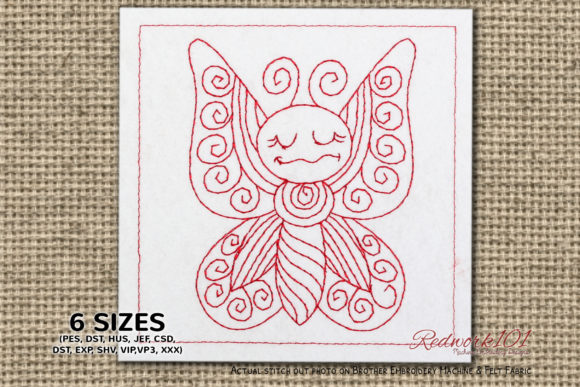
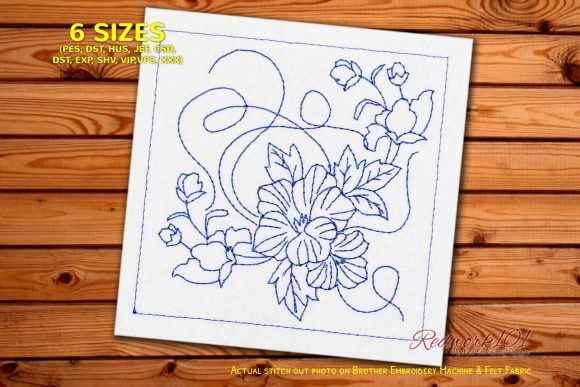
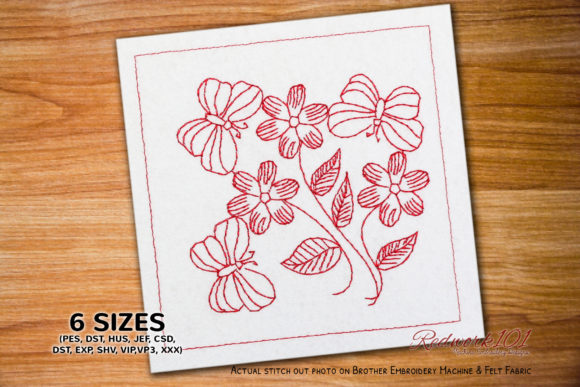
As an embroidery designer who’s developed collections for indie clothing brands, Etsy sellers, and small-batch apparel studios, I opened Flowers and Butterflies Lineart expecting charm—but what stood out immediately was its quiet confidence. This isn’t a loud, trend-chasing motif. It’s clean, airy, and intentionally uncluttered: slender stems, softly curved wings, and open negative space that breathes on fabric. The lineart style gives it versatility—no heavy fill stitches to overwhelm lightweight knits or obscure delicate fabric texture. It leans feminine without being saccharine, playful without sacrificing polish. And because it lives in the Bugs category yet reads more botanical than entomological, it bridges seasonal appeal—equally at home on spring tees and cozy autumn sweatshirts.
How It Performs Across Real Apparel Projects
Sweatshirt embroidery is where Flowers and Butterflies Lineart shines brightest. On neutral heather grey or oatmeal fleece, the fine lines translate with crisp clarity—especially when stitched with high-quality 40-weight rayon or polyester thread. For hoodie chest placement, its compact width (ideal for 3"–4" hoops) keeps proportions balanced without crowding the pocket area. I tested it on a relaxed-fit oversized hoodie: centered just below the collarbone, it added subtle personality without competing with the garment’s silhouette.
On t-shirts, especially lightweight jersey or slub cotton, the low stitch density prevents puckering. No dense satin fills mean less stabilizer bulk—and fewer adjustments needed for stretchy fabric. For sleeve accents? Perfect. A single butterfly near the cuff or a trailing vine along the shoulder seam reads as intentional detail, not afterthought.
For back designs, consider scaling up one element—like a single large butterfly wing with trailing vines—to anchor a full-back layout. Its lineart nature means it won’t visually weigh down the garment, even on dark apparel like charcoal or navy hoodies. Just confirm thread color contrast: light ecru or soft blush thread pops beautifully against deep backgrounds, while charcoal grey thread adds modern subtlety on creams or pastels.
Denim jackets welcome this design too—especially on the back yoke or pocket flap. The clean lines complement denim’s inherent texture without fighting it. And for tote bags or lifestyle merchandise? It photographs cleanly in natural light, supports cohesive printable mockups, and translates well into social media graphics—helping boutique brands maintain visual consistency across Etsy listings, Instagram posts, and email banners.
Smart Placement & Fabric Considerations
This isn’t a one-size-fits-all embroidery file. Thoughtful execution matters. On ribbed fabric like sweater knits or textured fleece, test stitch density first—tighter lines may blur slightly if the base fabric shifts. Use medium-weight cutaway stabilizer for structure, especially around curved surfaces like sleeve caps or neckline curves.
For small chest placement, avoid cramming extra elements. The original composition works best as-is: minimal editing preserves its refined rhythm. If you’re adding text, keep lettering generous—tiny script beside these fine lines risks visual competition.
On stretchy fabric, always test on scrap first. Hoop size should comfortably accommodate the full design plus ½" margin—check Creative Fabrica product details for exact dimensions before digitizing further. And remember: the outer box shown in previews is optional and often color-matched separately; skip it unless it serves your brand’s aesthetic. It’s not part of the core design—it’s a guide.
Building Brand Value Through Thoughtful Detail
What makes Flowers and Butterflies Lineart more than just another Creative Fabrica embroidery download? It elevates perceived value. Customers notice when stitching feels intentional—not generic, not rushed. That delicate vine curling just so? That balanced spacing between petals and wings? It signals care. For handmade product shops or small shop product lines, that nuance builds buyer trust. It tells customers your boutique brand pays attention—not just to trends, but to craft.
Used consistently across collections—say, on matching sweatshirt-and-tote sets or seasonal capsule drops—it strengthens product recognition. Repeat buyers begin to associate those graceful lines with your label. And because it avoids dated motifs or overused symbols, it supports long-term visual consistency without feeling repetitive.
Practical Designer Notes Before You Stitch
- Test on scrap fabric first—especially if using new thread colors or unfamiliar stabilizer blends.
- Review stitch density in your embroidery software. Adjust underlay if needed for stretchy or napped fabrics.
- Confirm hoop size compatibility with your machine and intended placement (e.g., cap frames for sleeves).
- Compare thread colors against your actual garment swatches—not just screen previews.
- Inspect how the design flows over seams, darts, or curved hems during mockup testing.
- Double-check Creative Fabrica product details for licensing terms before producing commercial embroidery products or finished apparel for resale.
In short: Flowers and Butterflies Lineart is a quietly powerful tool for creative entrepreneurs who value precision, versatility, and understated elegance. It doesn’t shout—but when placed with intention on a thoughtfully curated sweatshirt, hoodie, or tote, it lingers in memory. That’s the mark of a truly effective machine embroidery design: not flash, but resonance. Whether you're launching your first Etsy collection or refining your boutique brand’s signature look, this digital embroidery file earns its place in your working library—not as filler, but as foundation.