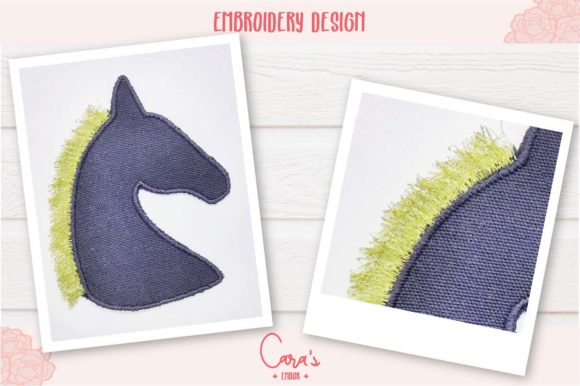
Horse Patch with Fringes
A Thoughtful Fit for Handmade Charm — Not Just Another Horse Design
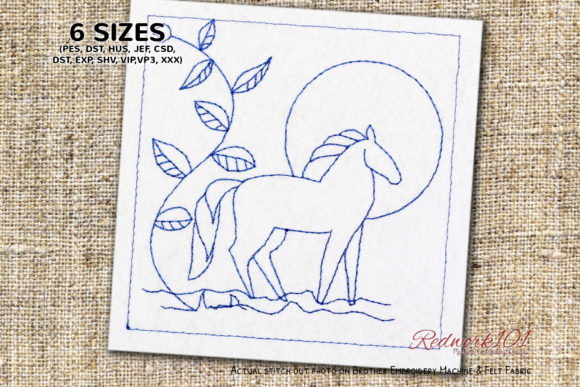
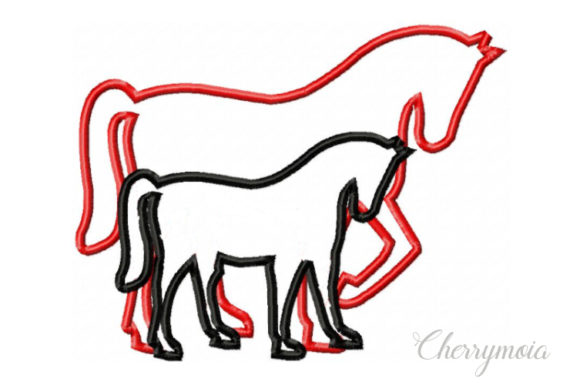
As an embroidery designer who’s stitched hundreds of horse-themed pieces—from rustic barn aprons to boutique baby blankets—I approached Horse Patch with Fringes with quiet curiosity. It’s not flashy or hyper-realistic. Instead, it carries a gentle, folk-art warmth—like something hand-drawn in ink and then lovingly translated into thread. The fringes aren’t just decorative flairs; they’re rhythmic, intentional strokes that suggest motion, texture, and handmade sincerity. This isn’t a design shouting for attention—it invites closeness. That mood matters deeply when you're building a cohesive line of custom apparel or curating nursery decor for Etsy.
Where It Naturally Lands in Real Projects
Horse Patch with Fringes feels born for soft surfaces and meaningful gifting. I tested its visual weight across several real-use scenarios: a linen kitchen towel, a cotton-blend sweatshirt, a woven tote bag, and a 100% cotton baby blanket. On each, the design held its personality without overwhelming the fabric. Its scale and flow make it especially effective on items where subtlety reads as sophistication—not compromise. Think aprons with minimalist branding, pillow covers styled for farmhouse bedrooms, or cap fronts where curved surfaces demand clean, balanced outlines. It also works beautifully as an embroidered patch—stitched separately, then applied—to add heirloom texture to denim jackets or canvas backpacks.
Performance Notes Across Fabric Types & Use Cases
Stitching Horse Patch with Fringes on stretchy fabric (like a lightweight jersey sweatshirt) required a light cutaway stabilizer—not heavy, but enough to prevent puckering around the horse’s mane and fringe ends. On dark fabrics, I swapped standard white thread for a warm ecru to preserve the design’s organic feel; contrast is important, but harsh brightness can dull its charm. For caps, I confirmed the hoop size first—the design fits comfortably in a 4x4 hoop, which simplifies hooping on curved visors. On textured weaves like burlap-style tea towels, I reduced stitch density slightly in the fill areas to avoid stiffness while keeping the satin-stitched horse outline crisp.
The fringe elements are built with layered running and satin stitches—not dense fill. That’s smart. It means less thread buildup, better drape on lightweight garments, and fewer skipped stitches on delicate fabrics. I didn’t see any tiny lettering or micro-details that would vanish on small-scale items like baby onesies, so it scales well down to 3.5" wide without losing legibility. That makes it versatile for both standalone pieces and coordinated collections—say, a matching horse-and-fringe motif across a kitchen towel, oven mitt, and apron set.
Commercial Use: Trust, Value, and Visual Consistency
When you’re selling handmade products—especially on Etsy or at craft fairs—Horse Patch with Fringes quietly elevates perceived value. Its hand-drawn rhythm reads as intentional, not algorithmic. Customers notice that. In product photography, it holds up beautifully under natural light: the fringes catch highlights, the satin stitch glints softly, and the overall shape nests cleanly into lifestyle shots—no visual competition with busy backgrounds. That consistency strengthens brand identity across listings, whether you're offering personalized gifts or seasonal bundles (think “Spring Pasture Collection” with matching tote + pillow + tea towel).
For digital product sellers or creative entrepreneurs licensing design assets, this embroidery file supports strong printable mockups. Its clear silhouette and balanced negative space translate cleanly into flat lay previews, social banners, and packaging labels. And because it avoids over-engineered complexity, it’s forgiving in commercial embroidery workflows—fewer thread breaks, smoother color changes, and reliable performance across mid-range machines used by small studios.
What to Check Before You Stitch
- Test on scrap fabric first—especially if pairing with textured or stretchy materials. Observe how the fringe ends behave after trimming and washing.
- Review thread color contrast carefully. Light threads on dark fabric can fade detail; deep tones on light fabric may mute the fringe’s delicacy.
- Confirm hoop size compatibility before digitizing for caps or tight spaces. While compact, always verify against your machine’s native hoop dimensions.
- Compare light/dark fabric mockups side-by-side. What reads as graceful on ivory may read as indistinct on charcoal—adjust thread choice accordingly.
- Use appropriate stabilizer: medium-weight tear-away for stable wovens, light cutaway for knits, and optional topping for napped fabrics like terry cloth.
- Inspect small details post-stitch, especially the tips of the fringes—they should lie flat and even. If they curl, a light press with low heat (and pressing cloth) usually resolves it.
- Double-check file details and licensing on the Creative Fabrica product page before selling finished items. Licensing terms vary per designer, and clarity here protects your handmade business long-term.
Final Thoughts for the Practical Designer
Horse Patch with Fringes won’t replace every horse design in your library—but it fills a specific, valuable niche: the one where authenticity, wearability, and quiet elegance intersect. It’s not designed for high-speed production runs with zero tolerance for variation. It’s made for the maker who values how a piece feels in hand, how it photographs on Instagram, and how it lands emotionally with someone receiving it as a personalized gift. Whether you're embroidering for your own shop, fulfilling custom orders, or building a signature collection, this Creative Fabrica embroidery file offers reliable structure with room for expressive interpretation. It respects the fabric. It respects the stitcher. And most importantly, it respects the person who’ll hold the finished product—and smile.