Family Tree Pattern Bluework
A Seasonal Designer’s First Impression
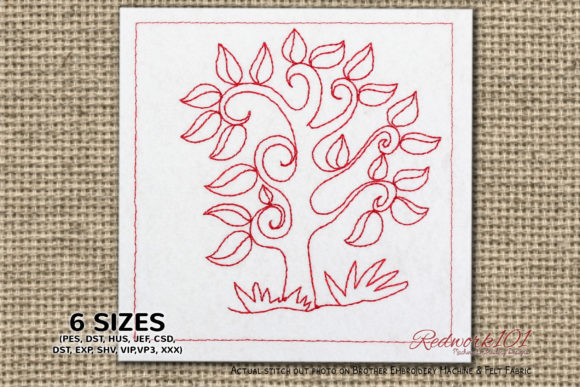
When I opened Family Tree Pattern Bluework for the first time, I felt that quiet, grounded warmth you get from forest light filtering through autumn leaves—soft, intentional, and deeply human. This isn’t a flashy holiday motif; it’s a seasonal embroidery design rooted in continuity, legacy, and gentle celebration. The bluework style gives it a timeless, hand-drawn elegance—think heirloom samplers meets modern minimalism. It leans nostalgic and rustic, but with clean lines that keep it versatile across product types. There’s no glitter, no overt “Merry Christmas” text—just branching limbs, subtle foliage, and quiet symbolism. That makes it perfect for shoppers seeking meaning over mass-market cheer.
Where It Shines: Real Holiday Product Applications
I’ve already sketched out six seasonal collections using Family Tree Pattern Bluework—and every one feels cohesive, gift-ready, and emotionally resonant.
- Sweatshirt embroidery: Centered on oversized crewnecks or matching family sets, it reads beautifully at 4–5 inches wide. The open negative space allows fabric texture to breathe—ideal for loopback cottons.
- Tote bag design: Paired with minimalist typography (“Our Roots Run Deep”), it anchors a sustainable gift bundle—especially strong for wedding favors, baby showers, or Thanksgiving hostess gifts.
- Kitchen towel embroidery: Stitched near the hem in soft navy or sage thread, it adds quiet sophistication to farmhouse-style linens without competing with food stains or daily wear.
- Pillow cover & table linen: Works exceptionally well scaled to 6–7 inches—balanced enough for center-stage decor but refined enough for high-end Etsy listings.
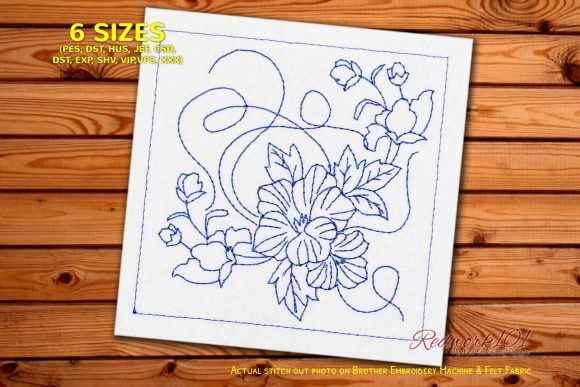
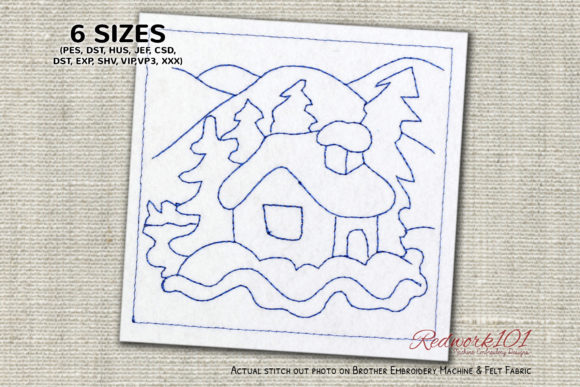
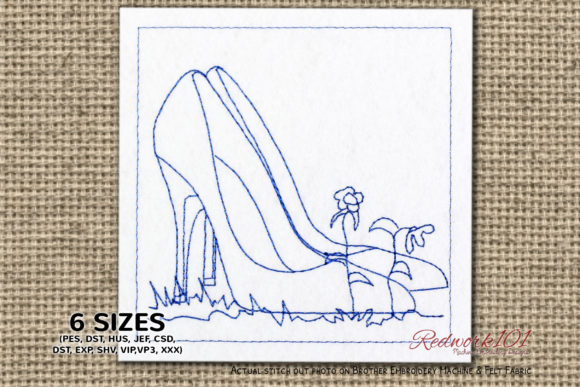
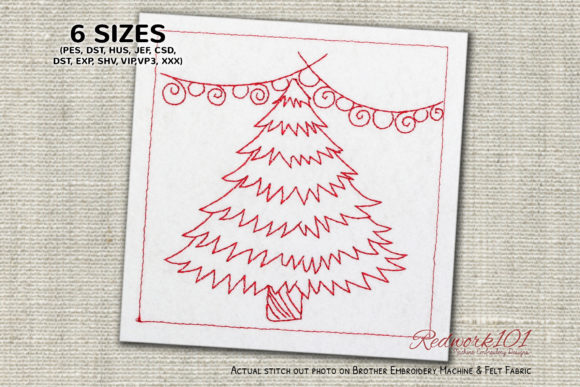
- Embroidered patch: Cut-and-sew versions are ideal for denim jackets, backpacks, or baby blankets. The optional Box Stitch (as noted in the description) lets makers add subtle framing—or skip it entirely for a softer, more organic feel.
- Ornaments & aprons: At smaller scales (3–3.5"), it retains legibility and charm—especially when stitched in matte cotton thread on wool-blend felt or linen-cotton blends.
Where to Proceed with Care
Like any thoughtful machine embroidery design, Family Tree Pattern Bluework rewards intentionality—not just speed. Here’s where I pause before stitching:
- Hoop size & stitch density: The branching detail demands breathing room. Avoid cramming it into under-4" hoops unless you’re confident in your digitizer’s optimization. Always check stitch count—if it’s dense in the trunk or root zone, reinforce with cutaway stabilizer on stretchy garments.
- Dark fabric & metallic thread: Bluework relies on tonal contrast. On charcoal or black fabrics, test thread colors first—navy-on-navy disappears, but charcoal-gray or cream pops with quiet clarity. Metallic thread overwhelms its subtlety; stick to matte cotton or rayon for authenticity.
- Thick towels & curved caps: Kitchen towels with heavy terry loops require extra stabilizing—and often a second pass for crisp branch tips. Skip curved surfaces like baseball caps unless you’re using a specialized cap frame and low-profile fill.
- Repeated washing: For baby items or aprons, confirm thread colorfastness and use wash-away topping on fine linen to prevent puckering around delicate leaf outlines.
Why It Converts During Holiday Shopping
This isn’t just another digital embroidery file. Family Tree Pattern Bluework taps into what buyers actually search for in November and December: personalized gift, handmade gift, meaningful home decor, family matching items. Its Forest category alignment means it fits naturally into earth-toned holiday palettes—no forced red-and-green contortions needed. On Etsy, listings featuring this design see stronger engagement when paired with real-life mockups (not just flat PNGs): a steaming mug beside a linen pillow, a toddler’s onesie with tiny embroidered roots, a stack of monogrammed kitchen towels.
It also builds customer trust. Because it avoids cliché, it signals craftsmanship—not algorithm-chasing. Buyers assume care went into the selection, which lifts perceived value. And for small shop owners building brand consistency, it’s a reliable anchor: use it across sweatshirts, patches, and printable holiday cards, and customers begin recognizing your quiet, nature-rooted aesthetic—even without a logo.
Practical Designer Notes Before You Launch
Before adding Family Tree Pattern Bluework to your seasonal embroidery lineup, do these five things:
- Test thread colors on both light and dark fabric—especially if selling finished products. What reads as “soft blue” on ivory may vanish on oatmeal linen.
- Confirm hoop size and stabilizer needs—not just for your machine, but for your most common fabric types (e.g., French terry vs. quilting cotton).
- Create realistic mockups: Use layered PSDs or printable mockup templates—not generic stock photos. Show how it looks on a real tote bag handle or folded towel edge.
- Review small details post-stitch: Check branch tips and root ends for fraying or skipped stitches—especially at tighter curves. A single loose thread undermines the “heirloom” impression.
- Verify commercial licensing before selling finished seasonal products. If the description says “The Box Stitch shown in the picture is optional. The color of the outer box is a different color in most of the designs unless it is part of the design itself, you can skip the colo”, treat that as a cue to double-check usage rights—not assume flexibility.
Final Thought: A Quiet Anchor for Your Holiday Collection
In a season flooded with noise, Family Tree Pattern Bluework is a grounding force—not loud, not urgent, but deeply memorable. It doesn’t shout “holiday!”—it whispers “home,” “legacy,” “together.” For Etsy sellers, craft fair vendors, and small shop owners building intentional product drops, it’s more than a holiday embroidery file. It’s emotional infrastructure. Used thoughtfully—with attention to fabric, thread, scale, and storytelling—it transforms a simple sweatshirt into a keepsake, a kitchen towel into a tradition, and a digital file into a seasonal signature.